
Secure, Scalable, and Flexible Cloud Infrastructure for Modern Businesses.
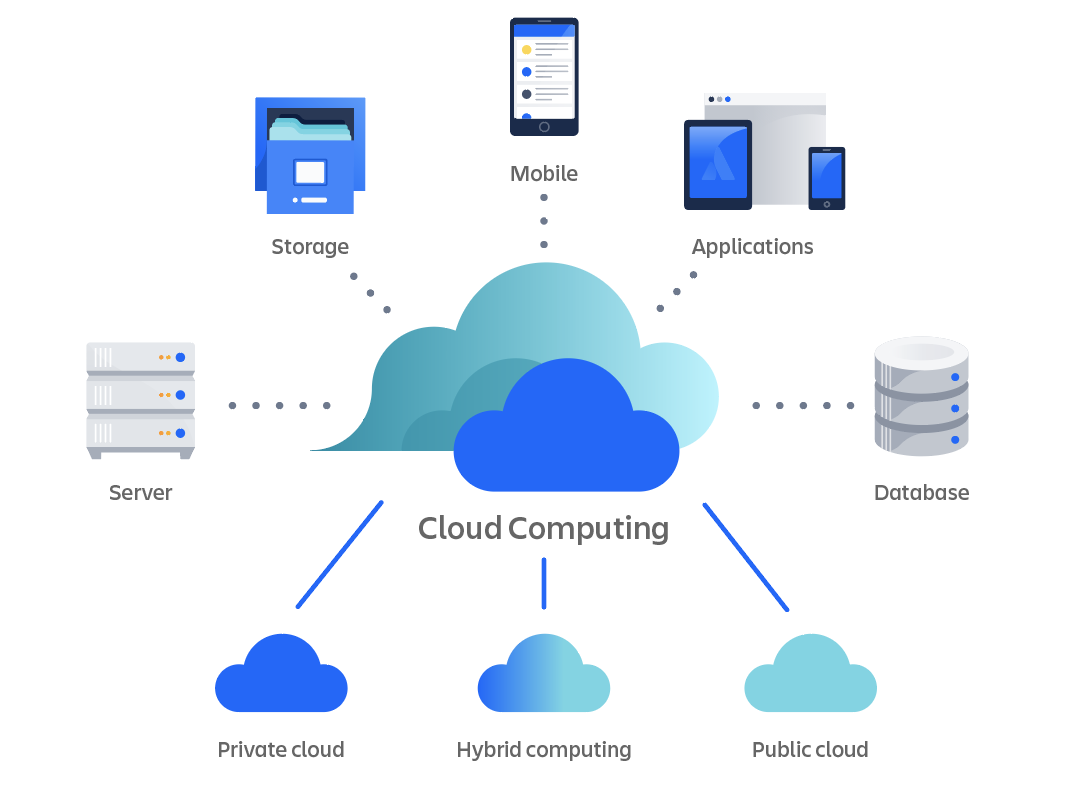
Public clouds are the most common way of deploying cloud computing which are all hardware, software, and other supporting infrastructure is owned and managed by the cloud provider. In a public cloud, you share the same hardware, storage, and network devices with other organizations or cloud “tenants.” Public cloud deployments are frequently used to provide web-based email, online office applications, storage, and testing and development environments.
.png)
Easily increase or decrease computing resources based on business demands without investing in additional physical infrastructure. This flexibility ensures optimal performance during periods of growth or fluctuating workloads.

Reduce capital expenditures by adopting a pay-as-you-go model. Organizations only pay for the resources they use, helping optimize IT spending and improve budget management.

Quickly provision applications, services, and resources within minutes rather than weeks or months. This enables businesses to accelerate projects, innovation, and time-to-market.

Benefit from advanced security features, monitoring capabilities, and data protection measures provided by leading cloud platforms.

Access applications and data securely from virtually any location, enabling remote work, collaboration, and business continuity.

Support organizational growth with scalable resources that adapt to changing requirements while maintaining performance and reliability.
Ready to Learn More?Explore how modern IT management solutions can help improve visibility, efficiency, and operational reliability across your organization.
Get In Touch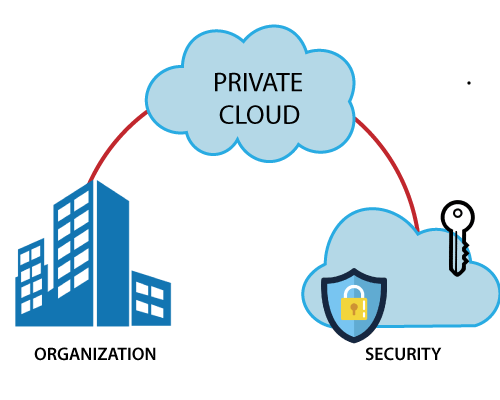
A private cloud consists of computing resources used exclusively by one business or organization. The private cloud can be physically located at your organization’s on-site datacenter, or it can be hosted by a third-party service provider. But in a private cloud, the services and infrastructure are always maintained on a private network and the hardware and software are dedicated solely to your organization. In this way, a private cloud can make it easier for an organization to customize its resources to meet specific IT requirements.
Protect sensitive workloads with dedicated resources, enhanced controls, and compliance-focused environments.

Configure infrastructure, policies, and resources to align with specific business and operational requirements.

Ensure predictable performance and stability through dedicated computing resources and infrastructure.
Ready to Learn More?Explore how modern IT management solutions can help improve visibility, efficiency, and operational reliability across your organization.
Get In Touch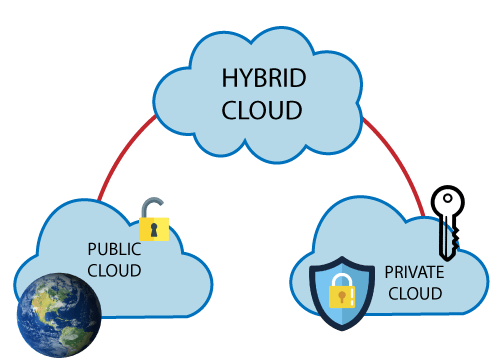
Hybrid clouds combine on-premises infrastructure, or private clouds, with public clouds so organizations can reap the advantages of both. In a hybrid cloud, data and applications can move between private and public clouds for greater flexibility and more deployment options.

Seamlessly expand resources using public cloud services while maintaining critical workloads in a controlled environment.
.png)
Keep sensitive data and mission-critical applications in private infrastructure while meeting governance and compliance requirements.

Balance performance and costs by placing workloads in the most suitable environment and scaling resources only when necessary.
Ready to Learn More?Explore how modern IT management solutions can help improve visibility, efficiency, and operational reliability across your organization.
Get In Touch